


TPB-40
| Quantity: | |
|---|---|
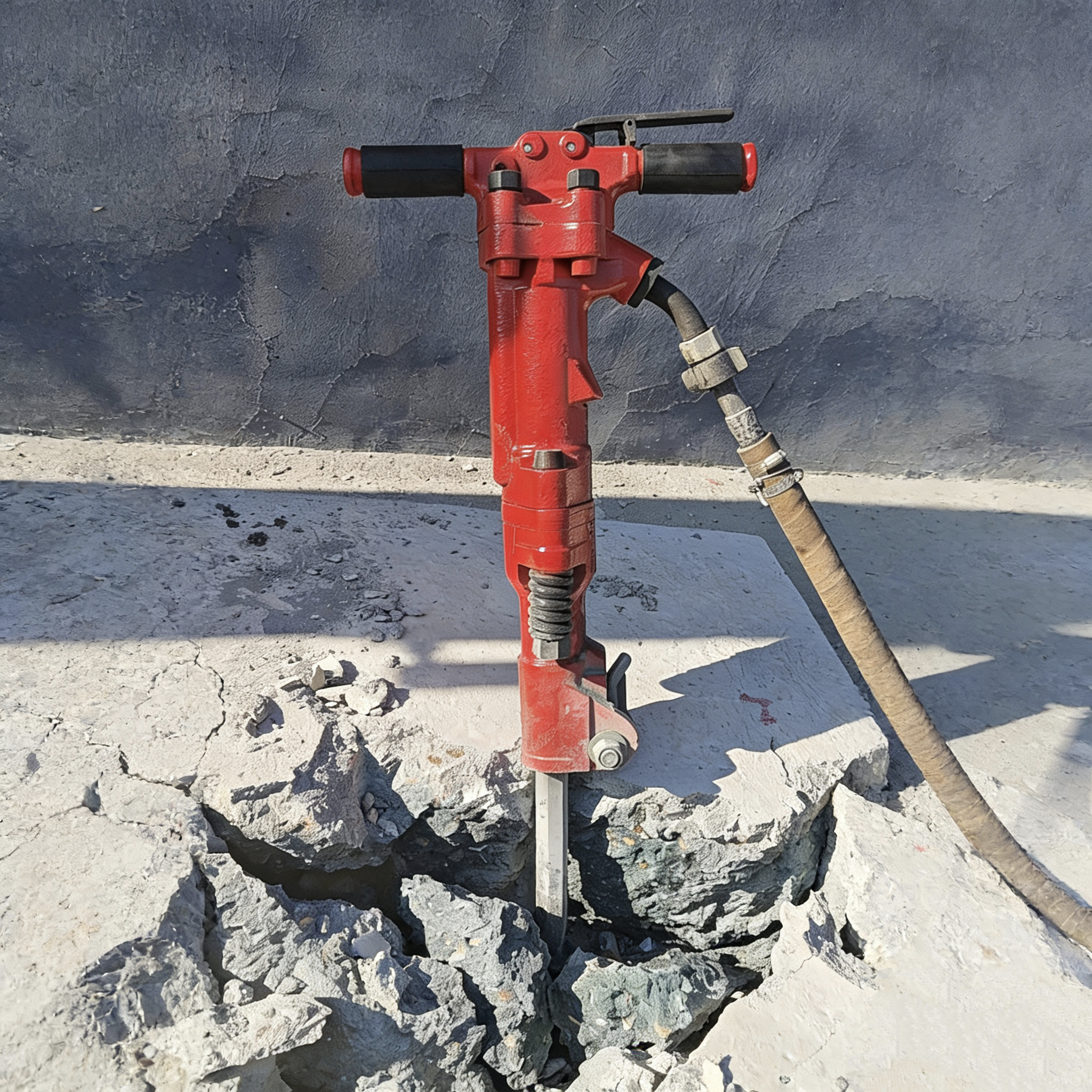
The TPB-40 pneumatic rock breaker is a compressed air-powered tool engineered for medium mining operations and general concrete demolition. Constructed with high-strength alloy steel across all components, it delivers 1050 B.P.M of impact force with 1.6 m³/min air consumption, balancing output and energy efficiency. Its compact 660MM length supports operation in confined spaces, making it suitable for industrial contractors handling varied demolition tasks.
Parameter/name | tpb-40 | tpb-60 | tpb-90 |
|---|---|---|---|
Piston diameter | 44mm | 57.15mm | 66.67mm |
Piston stroke | 146mm | 100mm | 152mm |
Percussive frequency | 1050 B.P.M | 1400 B.P.M | 1400 B.P.M |
N.W | 18kg | 30kg | 42kg |
Length | 660MM | 645MM | 723MM |
Air consumption | 1.6 m³/min | 2.0 m³/min | 2.2 m³/min |
Tracheal diameter | 19 | 19 | 19 |
bit head size | R25×108 | R32×152 | R32×152 |
Air inlet size | 3/4 P/T | — | — |
 |  |  |
 |  |  |
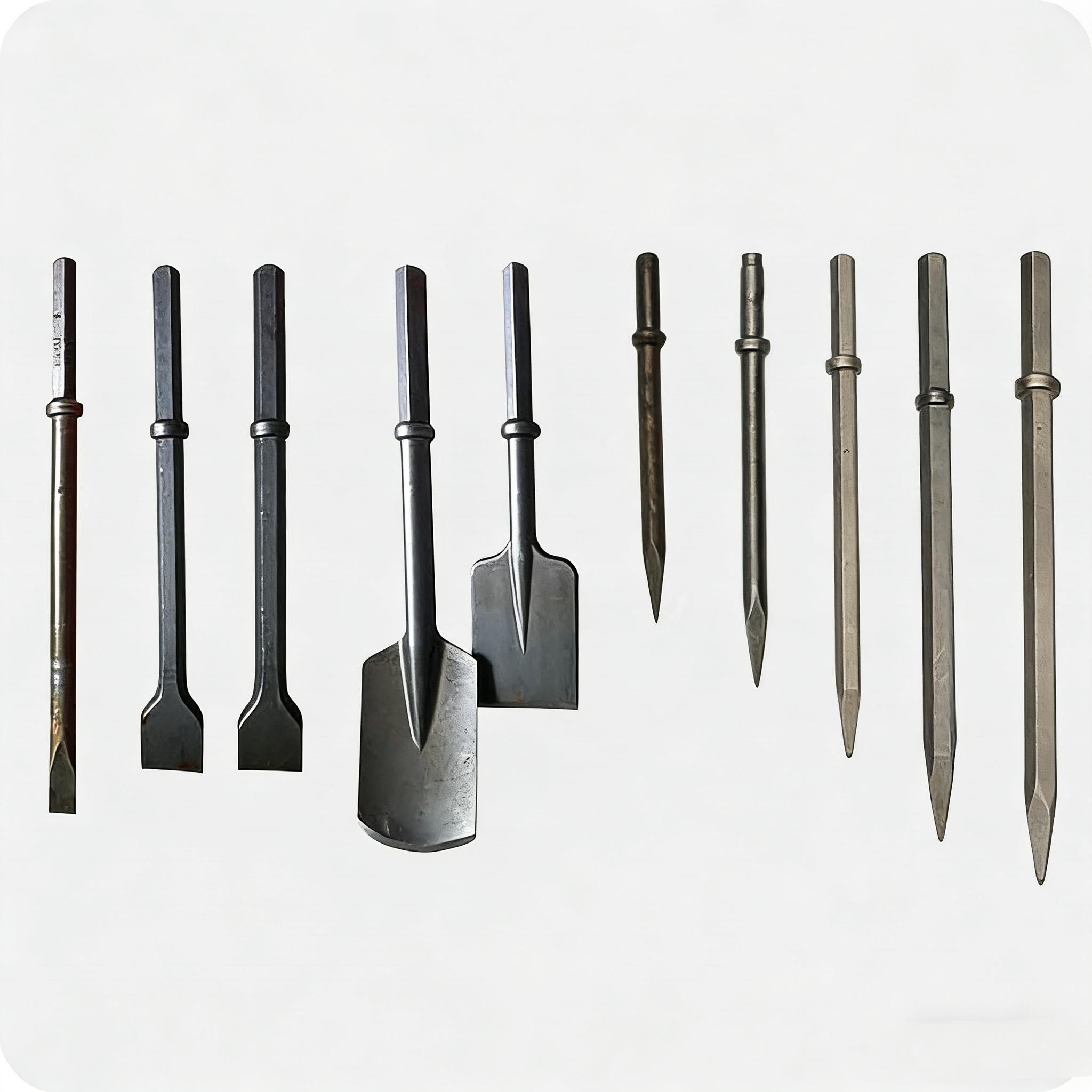
The TPB-40 operates by distributing compressed air sequentially to both ends of the cylinder body, driving the internal hammer to reciprocate and strike the end of the drill shank. This motion drives the drill bit into concrete or rock layers, splitting material into manageable blocks. The hex shank design enables fast chisel changes on site, reducing downtime during work shifts. The tool connects to a compressed air source via a 19 mm air hose, with a 3/4 P/T air inlet size. It requires no complex setup, allowing on-site personnel to start operation shortly after connecting the air supply. Both experienced operators and new personnel can familiarize themselves with the tool quickly.
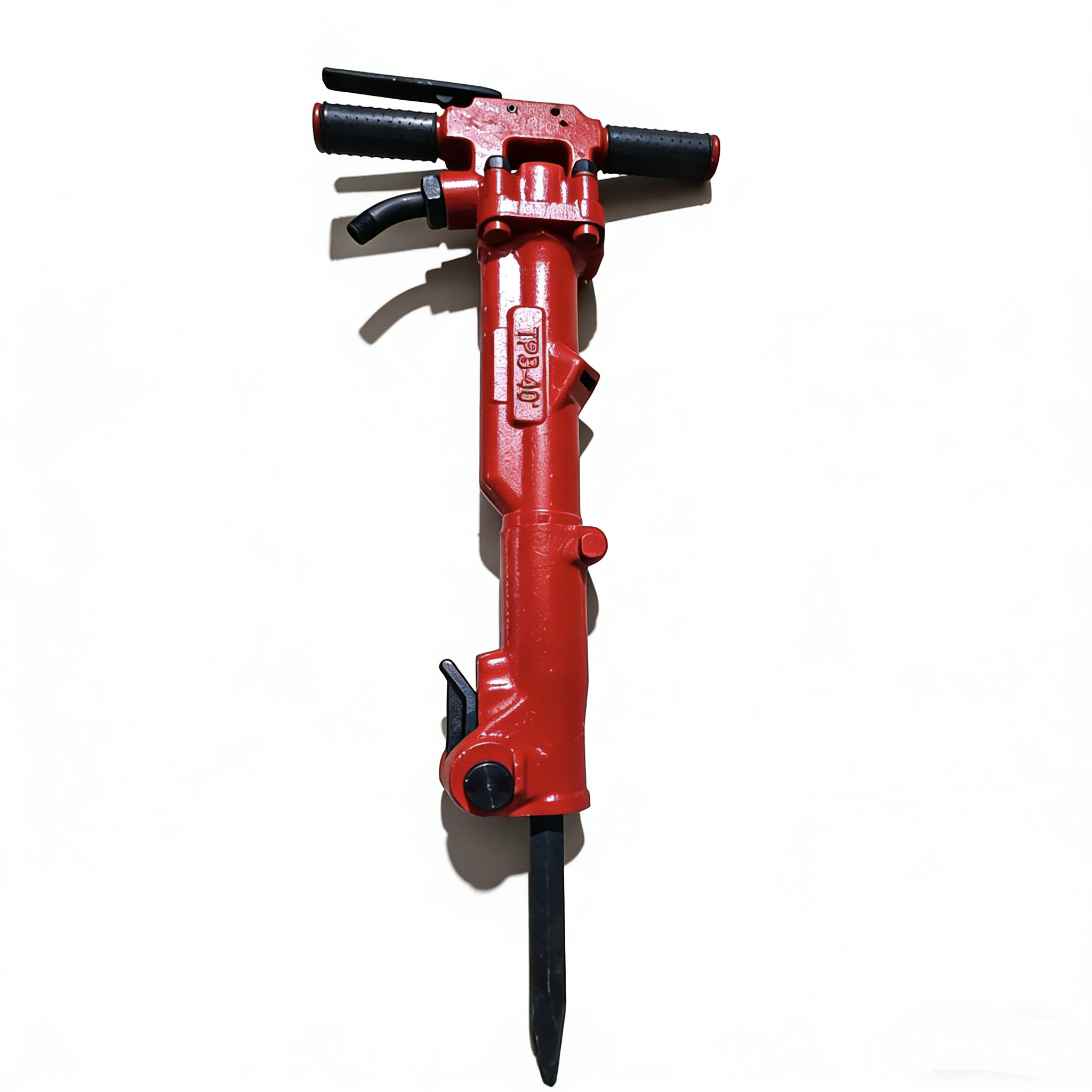
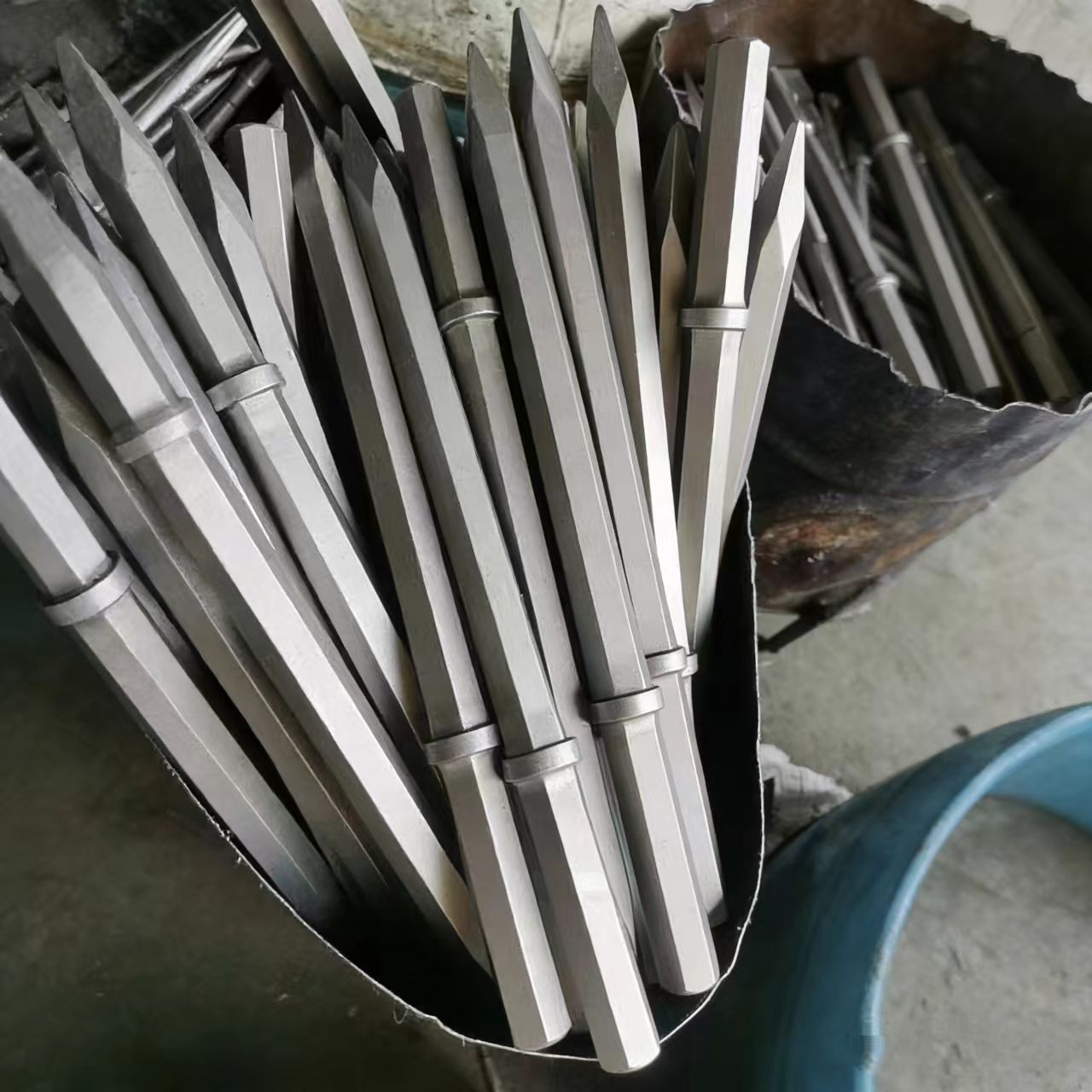
All components of the TPB-40 pneumatic breaker are made of alloy steel. The rear handle is secured by four bolts, creating a rigid structure that withstands harsh working environments. An original front head design and removable bushing reduce wear on the front head during continuous operation, extending the service life of core components. A forged latch retainer supports quick chisel replacement on work sites. An anti-vibration handle is available as an optional configuration to reduce vibration transfer to operators during extended work sessions. The tool’s 18kg weight supports handheld operation over extended periods with reduced physical load on operators.
 |  |
The TPB-40 pneumatic breaker fits a range of industrial work scenarios. In medium-scale mining operations, it handles rock fragmentation and ore extraction tasks, adapting to common rock types and vein structures. For infrastructure and construction projects, it is used for breaking concrete and asphalt layers during road repair, building foundation work, and municipal demolition tasks. Its compact 660MM length makes it suitable for operation in confined spaces, such as indoor demolition, narrow trench work, and restricted construction sites. The tool also applies to general construction site preparation, where it breaks hardened ground and existing concrete structures to make way for new construction.
The TPB product line includes three models with varying performance specifications to match different work scales. The TPB-40 is sized for small and medium-sized mining operations and light to medium demolition tasks, with a lower weight and compact form factor for flexible use across different work zones. The TPB-60 and TPB-90 models are engineered for larger-scale mines and operations with complex geological conditions, delivering higher impact output for thicker, harder material. All three models use the same 19 mm tracheal diameter, with the TPB-60 and TPB-90 sharing the R32×152 bit size for standardized accessory management across equipment fleets.
 |  |
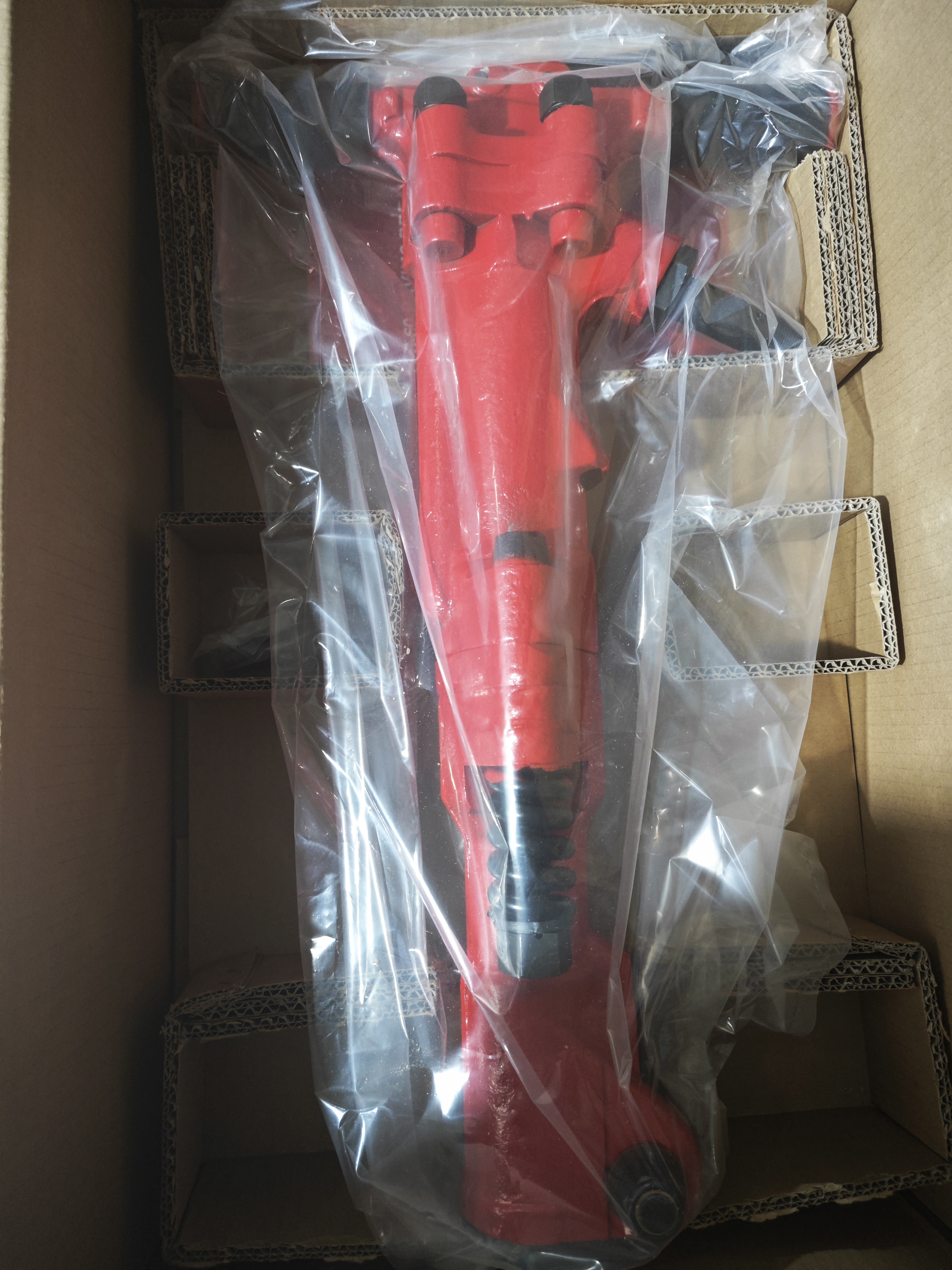 | 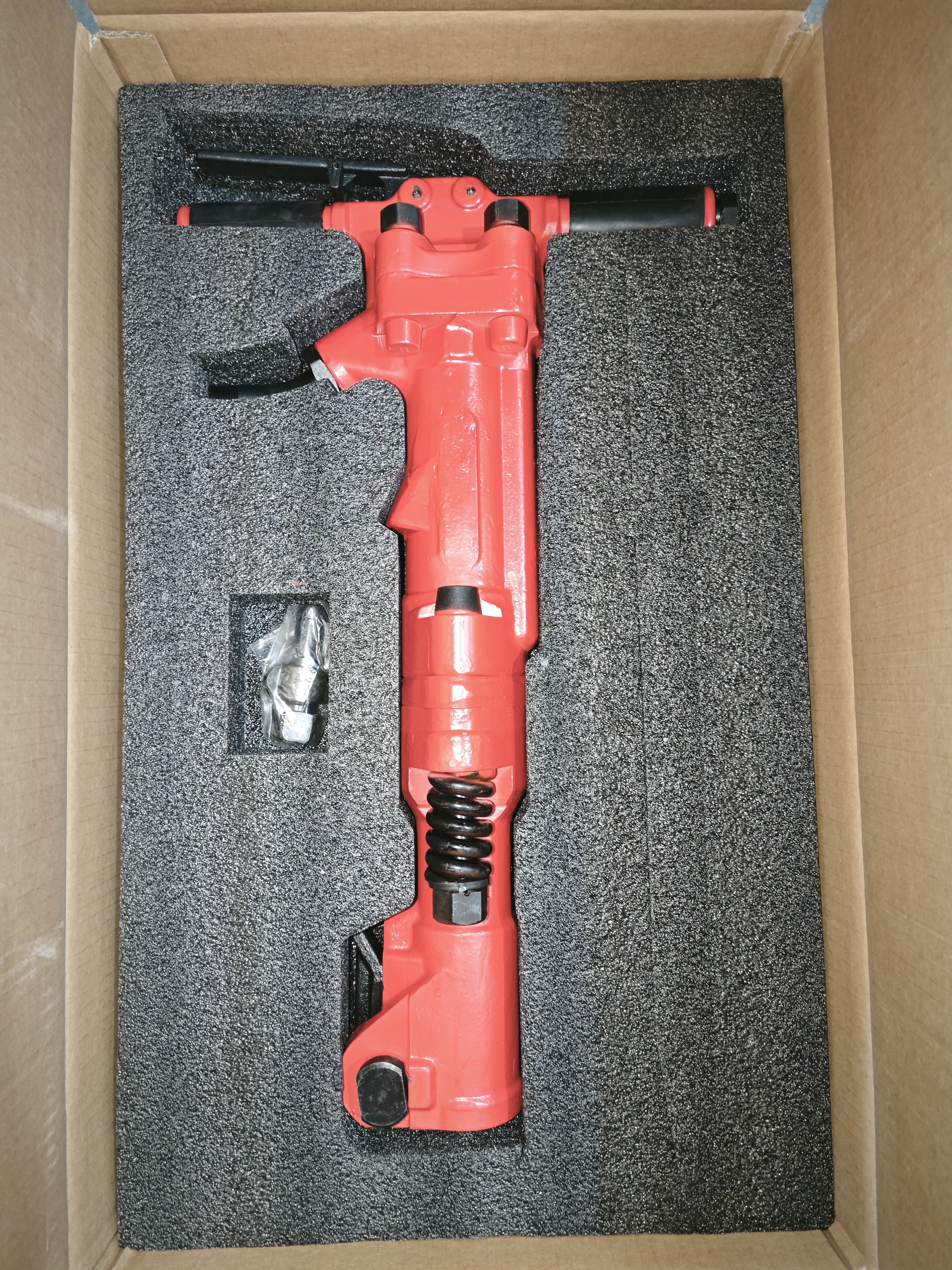 |
All components of the TPB-40 pneumatic rock breaker are made of alloy steel. The rear handle assembly is secured with four bolts for structural rigidity in harsh work environments.
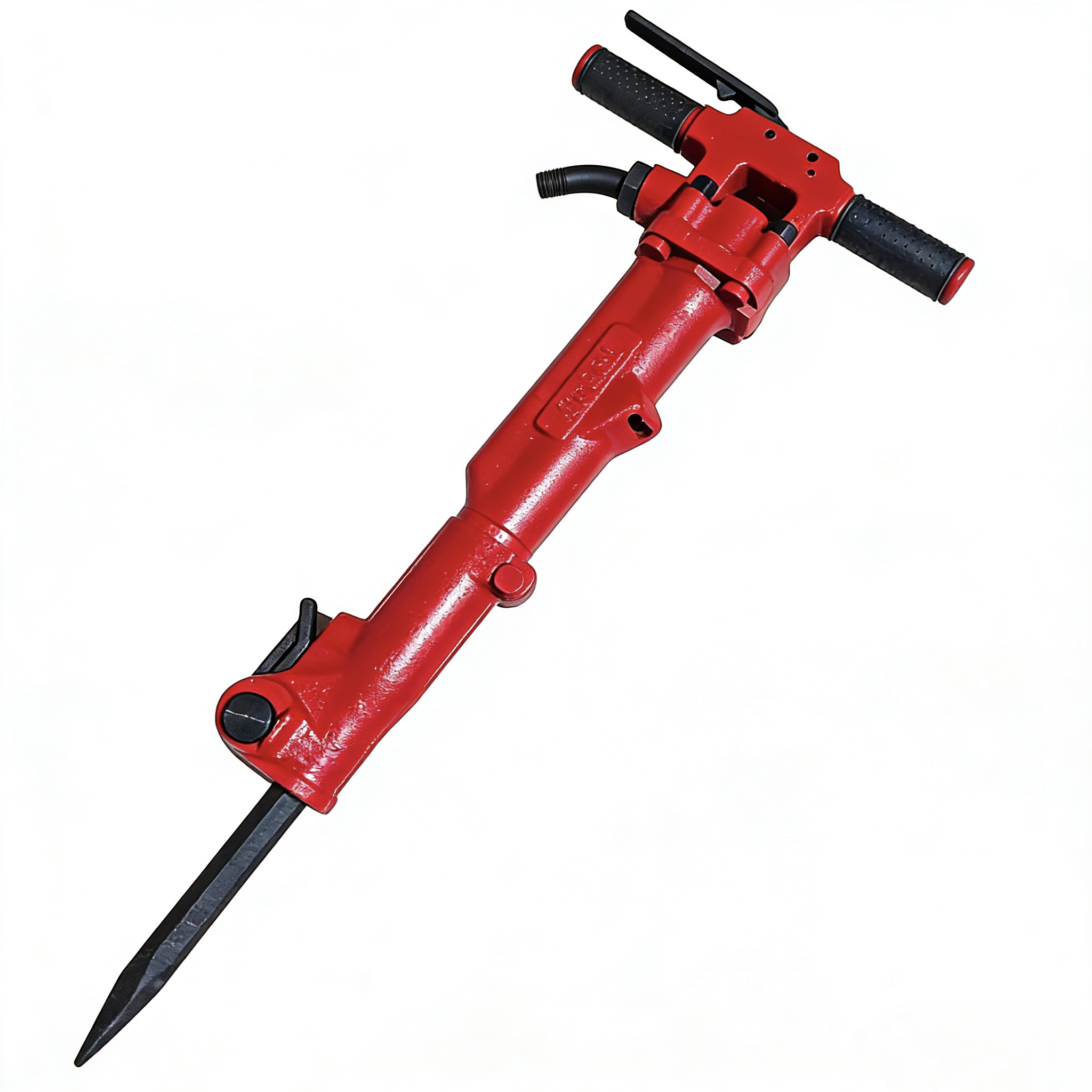
The TPB-40 uses a hex shank design paired with R25×108 bit heads. The forged latch retainer allows for quick chisel changes directly on work sites.
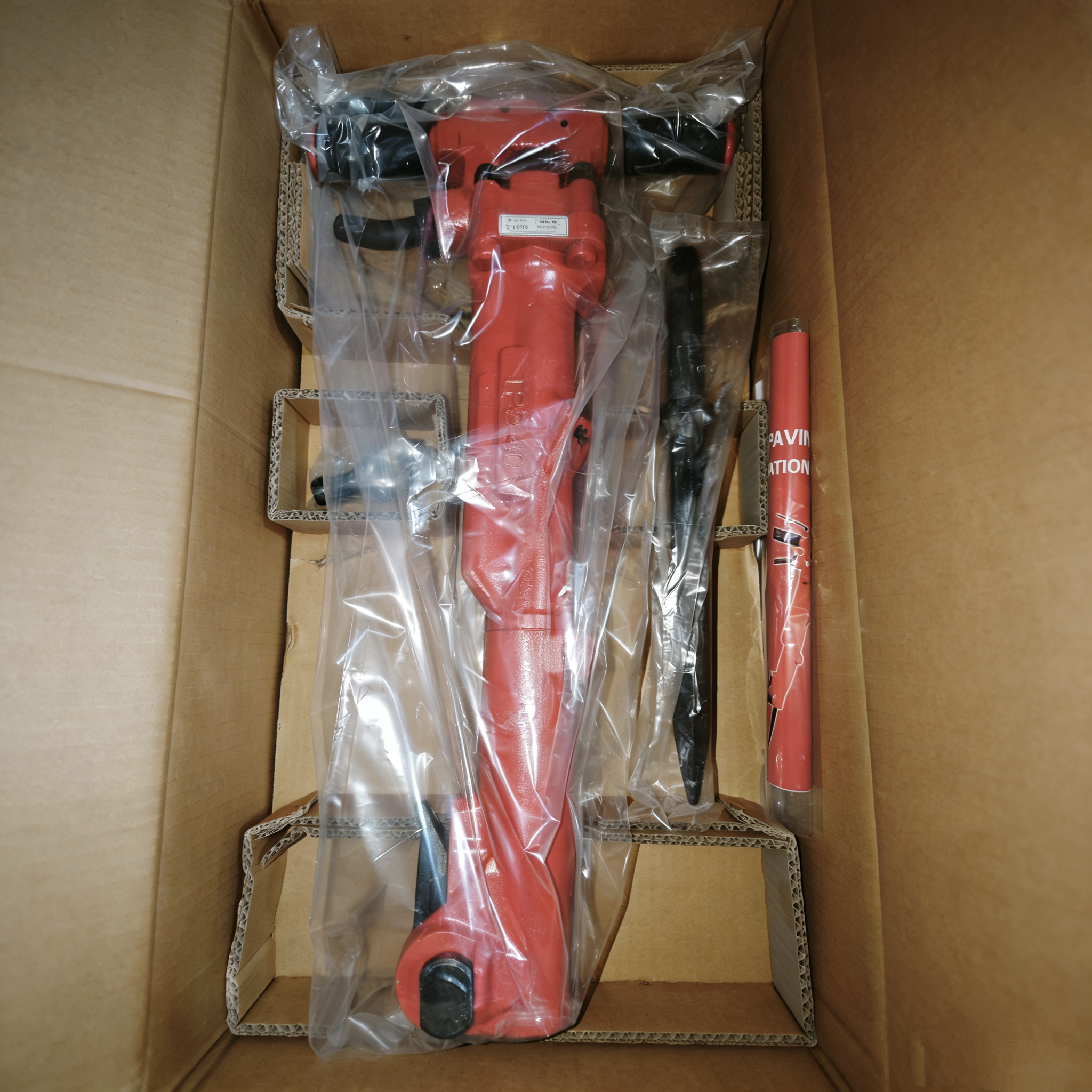
The TPB-40 has an overall length of 660MM with a compact form factor, which supports operation in confined spaces and restricted work areas with limited room for movement.


